
The Big Old Tusker
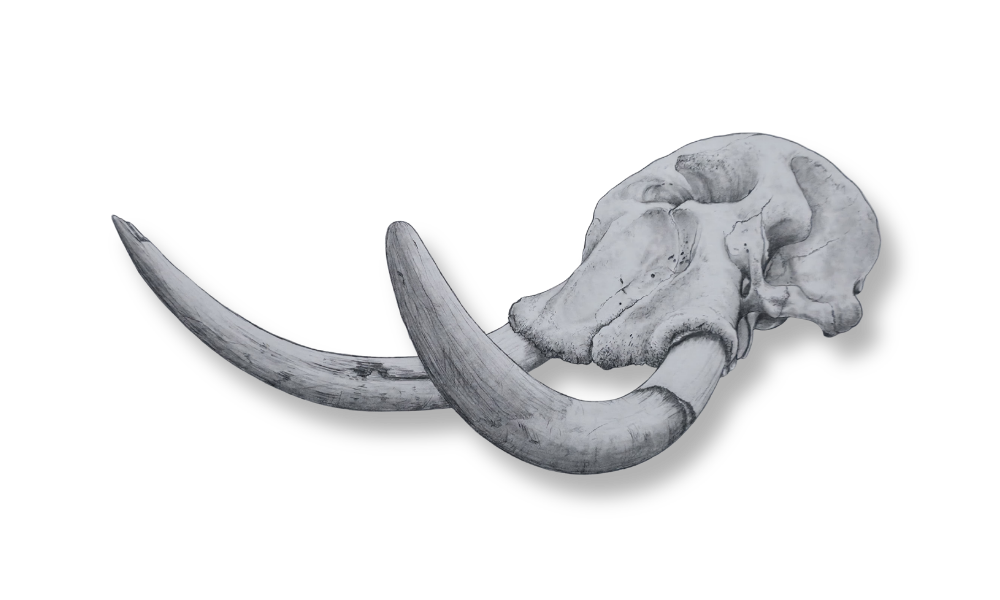
This category is reserved for one of Africa’s most iconic and revered animals—the great tusker. Old tuskers represent the rarest class of elephant—animals that have survived decades of pressure, drought, and natural challenges to reach exceptional size and maturity. By this stage, they have already made a significant genetic contribution to their populations.
Ethical, selective hunting of such individuals has minimal impact on herd dynamics while generating substantial funding for conservation. Honouring these elephants is about recognising their rarity, their resilience, and the vital role they play in both the ecological and conservation landscape of Africa.
To qualify, an elephant must carry at least one tusk weighing over 70lbs, with one-tusked elephants also accepted. Official ivory weights must be submitted as part of the entry, alongside clear photographic evidence for review. All submissions will be carefully assessed by our panel of experts to verify authenticity, age, and overall qualification.
Elephant Measurement (Rowland Ward)
- Each tusk is weighed individually.
- The weight is recorded in pounds (lb).
- The trophy entry is based on the heavier tusk, not the pair total.
Key rules
- Tusks must be unmodified (no cutting, hollowing, or artificial alteration).
- They should be clean and dry before weighing.
- No length or circumference measurement is used for Rowland Ward ranking.
Typical benchmark
- For African elephants, a tusk generally needs to weigh at least 70 lb to qualify.
Common mistakes
- Don’t average both tusks—only the heaviest single tusk counts.
- Don’t include damaged or significantly broken tusks.
- Single tusker elephants may qualify